When an older person doesn't answer: a practical guide for carers
If you are caring for an older relative or friend, there may come a time when you call or visit and get no response. It is a worrying moment. Your mind jumps to the worst possibility. But a calm, step-by-step approach can help you assess the situation quickly and get help if it is needed. This article explains what to do when an older person does not answer, and how a personal alarm for independent seniors can reduce the stress of that moment for everyone involved.
Stay calm and follow a plan
The first thing to do is pause and breathe. Panic clouds your judgment. Instead, run through a simple mental checklist. Did you agree on a time to call or visit? Is the person expecting you? If you are visiting unannounced, they might be out, asleep, or simply not hear the doorbell. That is common. Many older adults remove hearing aids at home or do not hear a knock if they are in a back room.
If you have a scheduled call or visit and they do not answer, start a timer. Give it five minutes. Try again. If still nothing, move to the next step.
Check what you know
Before you escalate, consider the person’s usual routine. Do they normally take a walk at this time? Are they expecting a delivery? Could they be at a neighbour’s house or a regular appointment? If you have location sharing enabled through a device or app, check it. A personal alarm for independent seniors often includes GPS location, which can show you exactly where the person is. That one check can save a lot of worry.
If you do not have location sharing, call their landline and mobile number separately. Sometimes a person will answer one phone but not the other. If both go to voicemail, leave a clear message saying you are concerned and ask them to call back. Then wait a short while.
When to involve others
If ten or fifteen minutes have passed and you still have no answer, it is time to widen the net. Call a neighbour if you have their number. Many older adults give a spare key to a trusted neighbour. The neighbour can knock loudly or check through a window. If they see movement or signs of life, the situation may be less urgent than you feared.
If no neighbour is available, contact another family member or whanau. They might have spoken to the person recently or know something you do not. This is where a shared response plan helps. When multiple people know what to do in a no-answer situation, the response is faster and less chaotic.
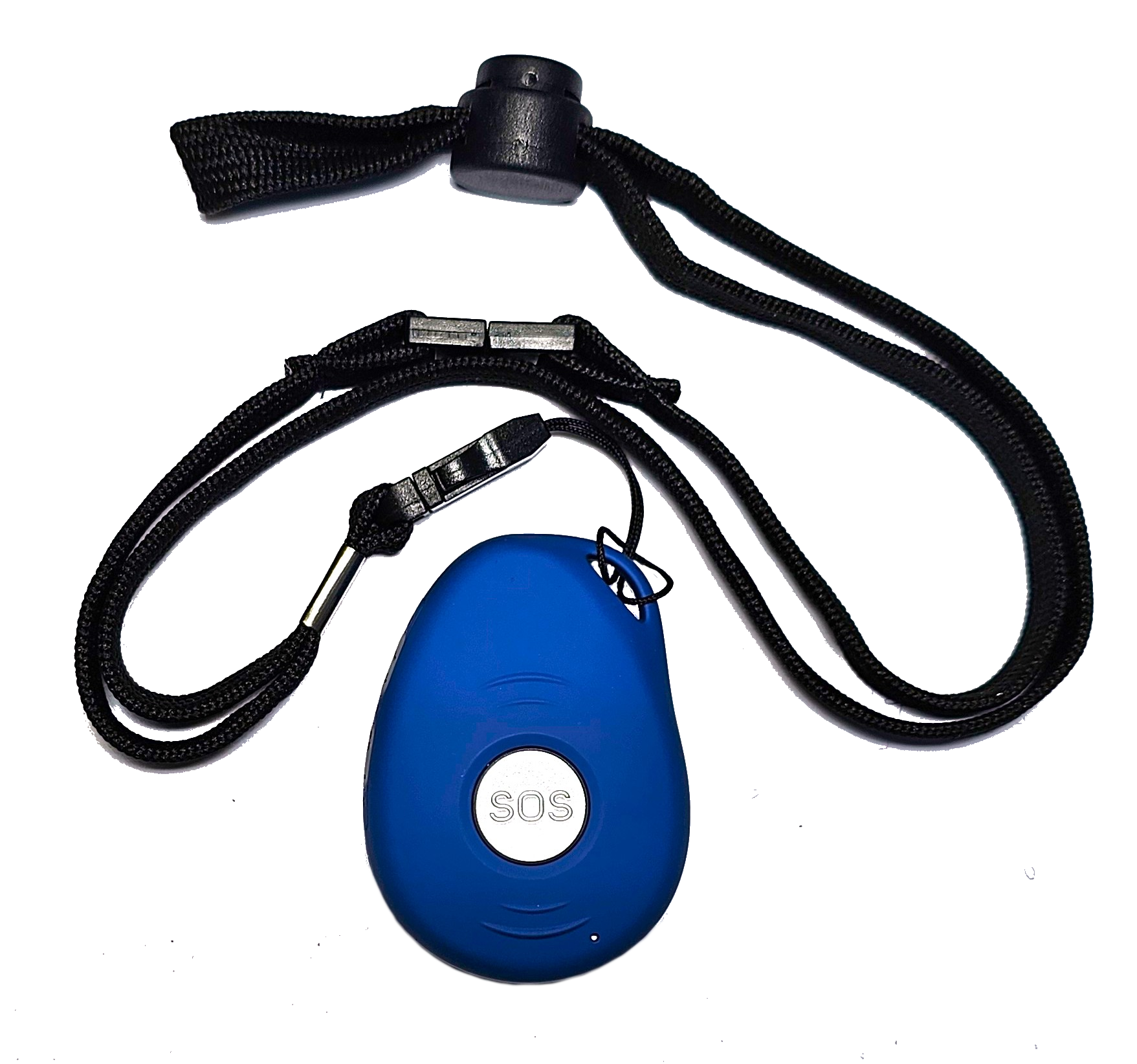
This kind of coordinated approach is often called remote reassurance for carers. It means you can check in from a distance without rushing over every time. A wearable alarm with two-way communication makes this even simpler: you can speak through the device to ask if everything is okay, and the person can reply without needing to reach a phone.
What if you still get no response?
If you have exhausted all reasonable checks and still cannot reach the person, you may need to go to their home. If you live nearby, drive or walk over. If you live far away, ask a neighbour or a local family contact to go. Do not break in yourself unless you are certain it is an emergency. Instead, call the non-emergency police number or, if you have serious reason to believe someone is hurt, call emergency services. Tell them you are a carer, that the person is not answering, and that you are concerned for their safety.
Once someone is at the property, they should knock loudly, call out, and check windows for signs of movement or light. If the person has a medical alarm, the device may have already sent an alert. Some alarms detect a fall automatically and send an SMS alert to listed contacts. If you have not received such an alert, it is still worth checking manually.
How a personal alarm helps before and during a no-answer event
An alarm for independent seniors does more than call for help after a fall. It changes the whole dynamic of remote caring. When an older person wears a device with two-way voice communication, you can speak to them directly through the alarm. That means you can ask "Are you okay?" and hear their voice in return. If they answer, you know they are safe. If they do not, the alarm system can escalate to emergency contacts or services.

This is the heart of remote reassurance for carers. You do not have to drive across town every time a phone call goes unanswered. You can check in quickly, often within seconds, and know the situation before you take further action. That saves time, fuel, and a great deal of anxiety.
Automatic fall detection
Many wearable alarms include automatic fall detection. If the person falls and cannot press the help button, the device detects the impact and sends an alert. This is especially useful in a no-answer situation. If you are calling and getting no reply, and the alarm has not sent a fall alert, it may mean the person is simply away from the device or cannot hear it. But if a fall alert has been sent and you are still getting no answer, you know to act immediately.
GPS and location sharing
GPS location is another practical feature. If the person does not answer and you can see they are at home, you know where to direct help. If they are somewhere else, you know where to look or whom to call. This is especially useful if the person has early-stage memory loss and may wander.
SOS alerts and family contacts
When the person presses the SOS button, the alarm sends an alert to pre-set family contacts. That alert can include their location and a link to a live voice call. If you are the contact, you receive an SMS alert and can listen in or speak. This means even if the person cannot call you directly, the alarm system brings you into the loop automatically.
Practical steps to prepare for a no-answer event
- Create a contact list. Write down neighbours, whanau, and local friends who can check on the person. Share it with everyone on the list so they know their role.
- Set up a response plan. Decide in advance what each person will do if no one answers. Who calls first? Who visits? When do you call emergency services?
- Test the alarm regularly. Make sure the device is charged, worn, and working. Test the SOS button and the two-way voice function so everyone remembers how it works.
- Use location sharing. If the device offers GPS, enable it and teach the person how to keep it on. Check that family contacts can see the location.
- Keep a spare key somewhere safe. A trusted neighbour or a lockbox with a code can give you access without breaking a door.
What not to do
Do not assume the worst right away. Most no-answer situations have a simple explanation: the person is out, asleep, or cannot hear the phone. Jumping to panic drains your energy and can embarrass the person if they are perfectly fine.
Do not ignore your instincts either. If something feels wrong, it probably is. You know the person better than anyone. If they always answer by the third ring and today they do not, that is worth investigating.

Do not rely on one method of contact. If the phone does not work, try the alarm’s voice function. If that fails, try a neighbour. Having multiple ways to reach the person gives you more chances to resolve the situation quickly.
The bigger picture: caring from a distance
Many carers live some distance from the person they support. That makes every unanswered call or visit more stressful. A wearable medical alarm with automatic fall detection, GPS, and two-way voice communication closes that distance. It lets you check in, speak directly, and know that if something goes wrong, help is on the way.
When an older person does not answer, the right response is a calm, step-by-step process. Start with simple checks, widen the circle, and use the tools available. A personal alarm for independent seniors is one of those tools, but it works best when combined with a good plan, a reliable contact list, and a clear head. That combination is what keeps older adults safe and gives carers real peace of mind.
Ends · INDEPENDENTYEARS